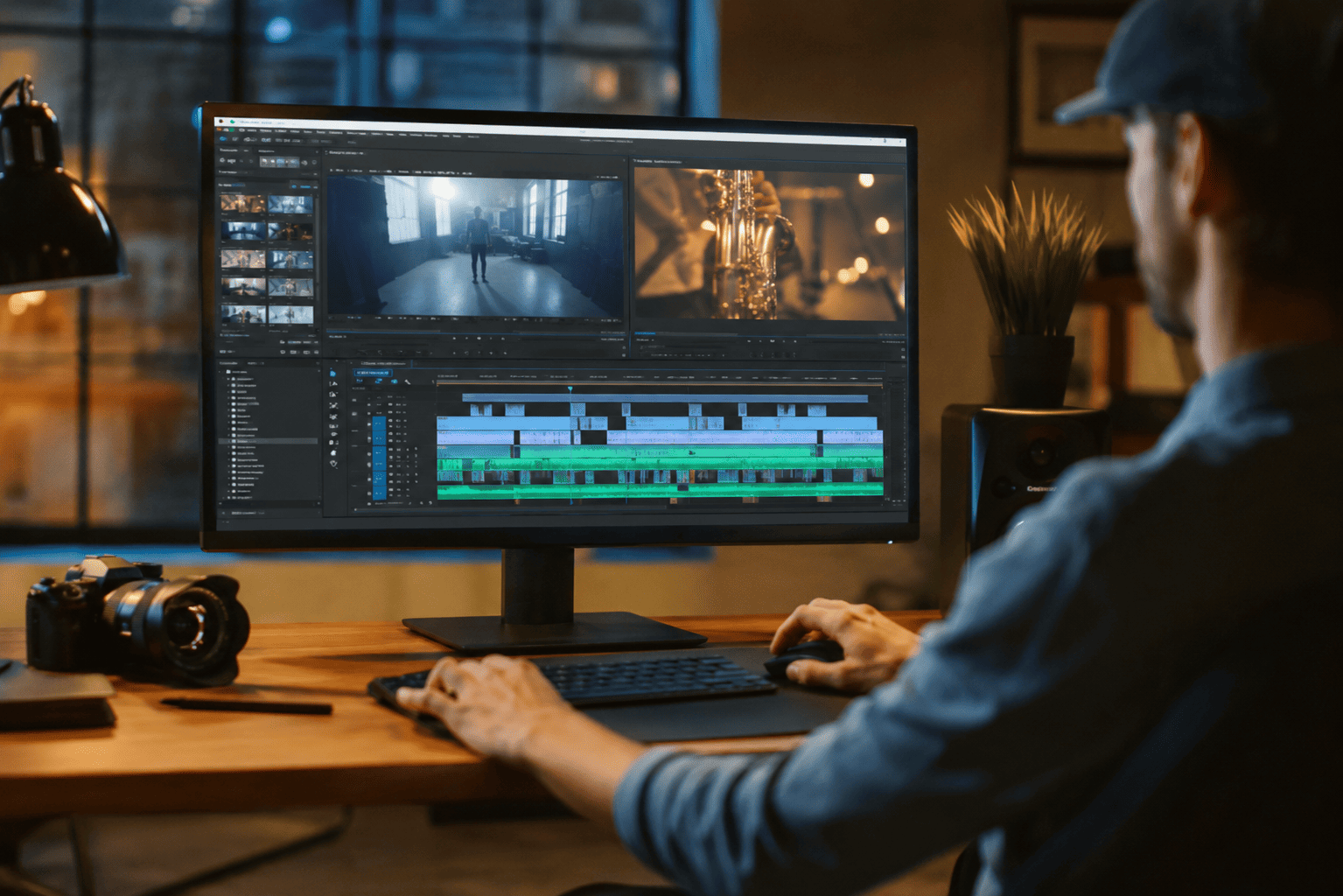
Global Post-Production Industry Trends Forecasted for Late 2026
The Shift Toward Decentralized Collaboration
Industry analysts point toward a major transformation in how creative teams operate as we approach the end of 2026. The traditional model of centralized post-production houses is fading. Companies now favor decentralized networks where specialists contribute from various geographic locations. This change necessitates software that supports instantaneous file synchronization and multi-user project access. Turnexedic leads this transition by offering robust cloud-bridging tools. Large studios are moving their primary storage to hybrid systems that combine local speed with cloud-based accessibility. Reliability in these systems becomes the highest priority for technical directors.
The Rise of 12K and Beyond
Resolution wars continue to push the boundaries of hardware capability. While 4K remains the standard for consumer delivery, production pipelines are increasingly adopting 12K and 16K acquisition formats. These massive files require specialized handling to prevent system crashes. High-end productions use these resolutions for flexible reframing and advanced visual effects work. Software developers must optimize playback engines to handle these data rates without lag. The focus shifts from simply displaying pixels to managing the massive metadata associated with every shot. Efficient proxy workflows become essential rather than optional.
Virtual Production Integration
LED wall technology and real-time engine integration are no longer exclusive to big-budget blockbusters. Mid-sized commercial projects now utilize virtual production to save on travel costs and location fees. This trend forces video editing suites to communicate directly with game engines. Editors need to adjust lighting and virtual backgrounds during the assembly phase. The bridge between live-action footage and digital environments grows thinner. We expect to see more tools dedicated to perspective matching and light-wrap automation within the standard editing interface. This integration streamlines the pipeline and allows for creative decisions to happen earlier in the process.
- Adoption of AI-assisted color matching across different camera brands.
- Increased demand for automated accessibility features like real-time captioning.
- Expansion of haptic feedback tools for remote editing controllers.
- Growth of immersive audio formats like spatial and object-based sound.
- The transition to purely software-based licensing models for enterprise studios.
Sustainability in Digital Media
Environmental concerns are finally reaching the tech sector of the film industry. Data centers used for rendering and storage consume vast amounts of energy. Future trends suggest a move toward "green rendering" where software prioritizes processing during hours of low energy demand or on servers powered by renewable sources. Developers are looking for ways to make code more efficient to reduce the heat generated by hardware. Every saved watt counts when managing thousands of render nodes. Clients are starting to ask for carbon footprint reports for their digital productions.

Bradley Woods
4 day agoThe bit about 12K workflows is spot on. We are already seeing raw files eat up storage at an alarming rate. Turnexedic's focus on proxy management is exactly what we need.
Lorenzo Peters
1 day agoWe are definitely prioritizing data efficiency in the next patch, Marcus! Stay tuned.